

LitBuy Spreadsheet: Find Your Next Everyday Favourite
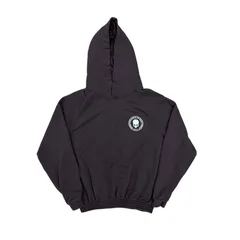
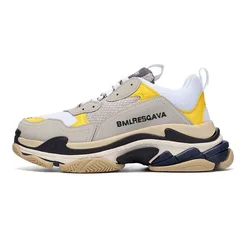
A jacket with a different shape, an easy knit or shoes to refresh your everyday rotation. Browse the LitBuy spreadsheet categories to compare product pictures, available prices and purchase options.
Choose a piece that works with what you already wear. The guides below help you compare its measurements, place the order, check warehouse photos and plan the parcel that brings it home.
Build a shortlist that survives a second visit
Save the item link with a short description of the option you mean. A useful note might say “jacket candidate; compare chest and sleeve measurements with my current jacket.” That is more actionable than “good quality” copied from someone else's list.
Keep three kinds of information apart:
- What attracted you: shape, colour, detailing or intended use.
- What you checked: the visible option, measurements and included pieces.
- What could rule it out: unsuitable dimensions, unclear option labels or a cost you have not yet included.
This is a personal shopping comparison, not a need to maintain a complicated research database. The point is to avoid repeating the same search without getting closer to a decision.
Comparing several LitBuy sheets
If you have saved several LitBuy sheets or spreadsheets, group repeated finds before comparing the collections. Two different thumbnails may lead to the same listing, while two similar pictures may refer to different sellers or options. Compare the destination and selected design rather than counting every row as another choice.
Keep the most useful note from each source: one may show the measurement question you need to ask, another may preserve an option label. Do not combine a price from one listing with a photo or size chart from another and present the result as one verified product. Preserve the connection between each detail and the item it describes.
A search for “LitBuy sheet” or “spreadsheet LitBuy” brings you to the same practical task: finding a usable collection and narrowing it to a product you can inspect. Singular and plural wording does not require separate buying processes. For differences between collections, use the best spreadsheet comparison; for recovering a particular saved item, use the links guide.
Compare like with like
A lower displayed amount is only useful if you understand the option and what the amount covers. Do not compare an item-only figure with a parcel estimate as though both were delivered prices. Keep currency and quantity beside any amount you save.
For a garment, compare actual dimensions where available rather than assuming the same letter size means the same fit across listings. For a multi-piece listing, establish which pieces belong to the chosen option. The size guide and shipping calculator guide address those later checks in more detail.
Use photos for the question they can answer
Listing images help you recognise a design. Photos of someone else's order may help you identify details worth checking. Neither is a substitute for matching an inspection image to your own item and option. Read QC photos before treating an image as evidence of what you will receive.
Frequently asked questions
Do I need to save every interesting product?
No. Save enough alternatives to make a real comparison. Repeated entries for the same item add clutter unless they show a meaningful difference in option or information.
Does a spreadsheet price settle my whole budget?
No. First establish the item and amount shown. Consider other applicable costs separately before deciding whether the purchase fits your budget.
Where should I start if I already know the product?
Open its detail page and identify the option. Use the guides only for the questions that remain, rather than restarting with a large collection.
Separate essential information from decoration
Useful essentials include a recognisable product, a working destination, an identifiable option and enough information to ask a specific follow-up question. Ratings, badges and colourful labels should not outweigh those basics.
For clothing, look for a way to compare dimensions. For accessories, consider size and included components. For any price comparison, make sure the currency, quantity and option are clear. A spreadsheet does not become more reliable simply by filling every cell with an unqualified opinion.
Check whether variety is real
Several rows may be different products, different options of one product or copies of the same entry. Those are not interchangeable forms of variety.
Compare the destination and selected option before counting entries as alternatives. Two listings with similar pictures may still have different dimensions or contents. Conversely, different thumbnails may lead to the same destination. Keep the differences that matter to your purchase, not just the number of rows.
You can practise with the jacket category, then inspect a particular varsity-style jacket. Use the category to discover alternatives and the item page to examine the candidate; neither step establishes fit by itself.